
A well-designed patio adds elegance, comfort, and value to any property. However, constant exposure to sunlight, rain, foot traffic, and stains can gradually diminish the natural beauty of stone surfaces. This is where choosing the right sealer becomes essential.
A properly selected wet-look sealer not only protects the stone but also enhances its natural color and texture, giving it a rich, polished appearance. Selecting the right stone sealer wet look solution requires an understanding of your surface type, climate, and performance expectations.
This guide provides a clear and professional approach to help you make the best decision for long-lasting results.
Understanding What a Wet Look Sealer Does
A wet look sealer is designed to deepen the natural color of stone, mimicking the appearance of freshly washed or naturally polished material. Unlike natural-finish sealers that maintain the original tone, wet-look sealers enhance contrast, bringing out the detail and character in the stone.
In addition to aesthetic enhancement, these sealers create a protective barrier that resists water penetration, stains, mildew, and surface wear. This dual benefit of protection and visual appeal makes them a preferred choice for patios where both durability and appearance are important.
Identify Your Stone Type Before Choosing
Different stones have different absorption rates and surface characteristics. Selecting a sealer without understanding your stone type can result in uneven absorption, premature failure, or an undesirable finish. Common patio materials include:
Sandstone
Limestone
Slate
Travertine
Concrete pavers
Granite
Porous stones such as sandstone and limestone require sealers that penetrate deeply, while denser materials like granite may respond better to surface-bonding products. Always confirm that the sealer is compatible with your specific stone type.
Key Features to Look for in a Quality Sealer
Choosing the best product requires focusing on performance and safety, not just appearance.
1. Level of Penetration
Penetrating sealers enter the stone and protect from within, offering natural durability.
Topical sealers sit on the surface and provide higher gloss and stronger color enhancement.
For patios, many homeowners choose a balanced formula that offers both protection and visible enhancement.
2. UV Resistance
Sun exposure is one of the main reasons sealers fade over time. UV-resistant sealers prevent discoloration, yellowing, and breakdown, ensuring long-term aesthetic performance.
3. Slip Resistance
Since patios are outdoor spaces exposed to water, safety is critical. Look for sealers with built-in non-slip properties to reduce the risk of accidents, especially in poolside or rainy environments.
4. Breathability
A breathable sealer allows trapped moisture to escape instead of forming cloudy patches or white residue. This is essential for preventing peeling and surface damage over time.
Climate Considerations for Long-Term Performance
Environmental conditions significantly affect sealer performance. Selecting a sealer without considering climate can shorten its lifespan.
Humid regions require mold- and mildew-resistant formulas.
Hot climates demand UV-stable sealers to prevent fading and surface cracking.
Freezing conditions require sealers that block water penetration to prevent freeze-thaw damage.
Matching the sealer to your local weather conditions ensures consistent performance and longevity.
Water-Based vs Solvent-Based Sealers
Understanding the formulation type will help you control the finish, durability, and application process of your stone sealer wet look.
Water-Based Sealers
Low odor and environmentally friendly
Faster drying time
Easier cleanup
Moderate color enhancement
Solvent-Based Sealers
Deeper color enrichment
Stronger bonding with stone
Longer-lasting performance
Higher sheen levels
Water-based sealers are ideal for quick applications and indoor-outdoor transitions, while solvent-based options typically offer stronger protection and richer enhancement for outdoor patios.
Importance of Surface Preparation
No sealer will perform well if the surface is not properly prepared. The patio must be thoroughly cleaned to remove dirt, grease, algae, and previous coating residue. Any moisture trapped within the stone can affect adhesion and appearance.
Proper preparation includes:
Pressure washing or deep cleaning
Allowing the surface to dry fully
Repairing cracks or surface damage
Removing old or incompatible sealers
This step directly influences the durability and uniformity of the final finish.
Testing Before Full Application
Testing is a professional best practice and should never be skipped. Apply the sealer to a small, inconspicuous area to evaluate:
Color depth after drying
Gloss level
Absorption consistency
Slip resistance under wet conditions
A test patch ensures that the stone sealer wet look achieves the desired result without unexpected visual or performance issues.
Application and Maintenance Requirements
Ease of use and maintenance frequency should also influence your decision. Some sealers require professional-grade equipment, while others are suitable for roller or sprayer application.
Maintenance considerations include:
How often reapplication is required
Resistance to stains from food, oil, and organic matter
Ease of routine cleaning
A quality sealer should simplify long-term care while maintaining consistent performance.
Evaluating Cost Versus Long-Term Value
While budget is always a factor, focusing only on upfront cost can lead to higher long-term expenses. Low-cost sealers often require frequent reapplication and may offer limited protection.
Instead, evaluate:
Expected lifespan of the sealer
Coverage area per liter
Reapplication intervals
Warranty and manufacturer reputation
A premium stone sealer wet look product may have a higher initial price but offers stronger protection and reduced maintenance over time.
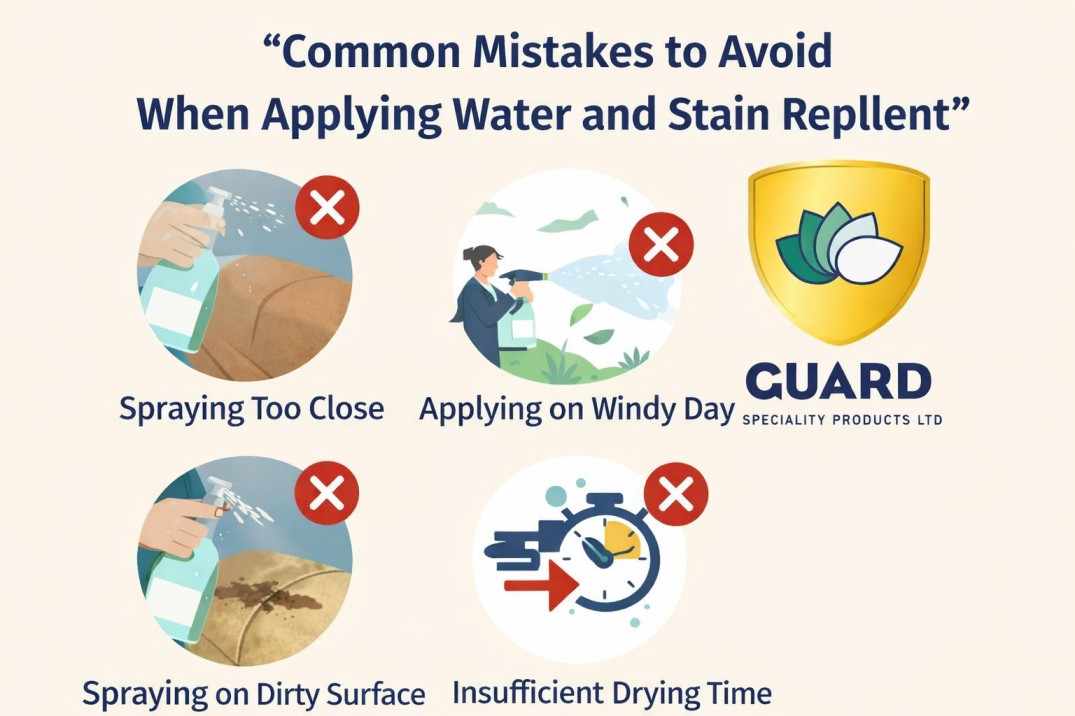
Common Mistakes to Avoid
To achieve the best outcome, avoid these frequent errors:
Applying too many coats in one session
Ignoring slip resistance
Sealing over damp surfaces
Skipping UV protection
Using incompatible products together
Following manufacturer guidelines and professional installation practices prevents premature failure and surface damage.
Expected Lifespan of a Wet Look Sealer
Under normal conditions, a high-quality wet look sealer can last:
1 to 3 years in high-traffic areas
3 to 5 years in lower-traffic patios
Routine cleaning, avoiding harsh chemicals, and monitoring wear can further extend its life.
Conclusion
Choosing the best sealer for your patio is a strategic decision that affects not only visual appeal but also long-term durability and safety. A properly selected stone sealer wet look enhances the natural beauty of the stone while providing essential protection against moisture, stains, sunlight, and daily wear.
By considering stone type, climate, formulation, surface preparation, and maintenance needs, you can ensure that your patio remains a refined and functional outdoor space for years to come.
A well-sealed patio is not just about immediate appearance. It is a long-term investment in performance, protection, and property value. With informed selection and correct application, your patio will continue to reflect quality and elegance in every season.


Write a comment ...