

Moisture does not always arrive in dramatic ways. Sometimes it starts as a faint patch near the ceiling. Sometimes it appears as peeling paint on an exterior wall after the monsoon. Over time, what looks like a small cosmetic issue can turn into structural damage, mold growth, and expensive repairs.
This is why many property owners consider applying a water resistant coating. But one common question remains: is it suitable for both interior and exterior walls?
The short answer is yes. However, the purpose, product type, and application process may differ depending on the surface and environmental exposure. Let’s explore how water resistant coatings work and whether they are the right solution for your walls.
Understanding What Water Resistance Coating Does
A water resistant coating is designed to create a protective barrier that prevents moisture from penetrating surfaces. It reduces water absorption while allowing the surface to maintain structural integrity.
Unlike regular paint, which mainly enhances appearance, water resistant coatings serve a protective function. They help control dampness, reduce mold growth, and extend the life of walls.
However, performance depends heavily on proper product selection and application.
Is It Suitable for Exterior Walls?
Exterior walls face constant exposure to rain, humidity, temperature changes, and sunlight. In cities with seasonal rainfall or high humidity, these conditions can gradually weaken untreated surfaces.
Protection Against Rain and Moisture
Exterior water resistant coating forms a shield that reduces water seepage during heavy rainfall. It prevents moisture from entering cracks and porous surfaces.
Prevention of Paint Peeling and Efflorescence
When water penetrates walls, it often leads to paint blistering and salt deposits on the surface. A protective coating minimizes this risk by reducing water absorption.
Increased Structural Durability
Moisture infiltration can slowly compromise concrete and plaster. By applying a protective layer, you reduce the risk of long-term structural weakening.
For exterior walls, water resistance coating is not only suitable — it is highly recommended in moisture-prone regions.
Is It Suitable for Interior Walls?
Interior walls may not face direct rain exposure, but they are still vulnerable to moisture from various sources.
Bathrooms, kitchens, laundry rooms, and basement areas often experience high humidity levels. Inadequate ventilation can trap moisture inside, leading to damp patches and mold growth.
Protection in Bathrooms and Kitchens
Steam from showers and cooking can accumulate on walls. Over time, this moisture may seep into the surface, causing paint damage and fungal growth.
Applying a suitable water resistant coating helps create a barrier that reduces moisture penetration in these high-humidity spaces.
Basement and Utility Areas
Basements often face moisture issues due to poor ventilation or minor seepage. A protective coating adds an extra layer of defense against dampness.
Improved Indoor Hygiene
Moisture accumulation encourages mold growth, which affects indoor air quality. By limiting water absorption, coatings contribute to a healthier living environment.
For interior spaces exposed to humidity, water resistant coatings provide both protection and peace of mind.
Differences Between Interior and Exterior Applications
Although the concept remains the same, interior and exterior coatings are not identical.
Exterior coatings are typically designed to withstand UV exposure, rain, temperature shifts, and environmental pollutants. They require strong weather resistance and flexibility.
Interior coatings focus more on moisture control, low odor application, and compatibility with indoor environments.
Using the correct formulation ensures optimal performance in each space.
When Should You Consider Applying Water Resistant Coating?
Not every wall requires immediate treatment. However, certain signs indicate it may be time to act.
If you notice damp patches, recurring mold growth, peeling paint, or cracks where water may enter, a protective coating becomes a practical solution.
New constructions also benefit from preventive coating. Applying protection early helps avoid future repairs.
Rather than waiting for visible damage, proactive treatment often saves time and cost in the long run.
Common Concerns About Water Resistant Coatings
Some property owners worry that coatings may trap moisture inside walls. In reality, high-quality solutions are designed to resist external water penetration while allowing trapped internal moisture to escape gradually.
Another concern relates to appearance. Modern coatings are available in finishes that blend seamlessly with paint systems, preserving the visual appeal of the wall.
When applied correctly, water resistant coating enhances protection without compromising aesthetics.
The Importance of Proper Application
The effectiveness of any water resistant coating depends on proper surface preparation and professional application.
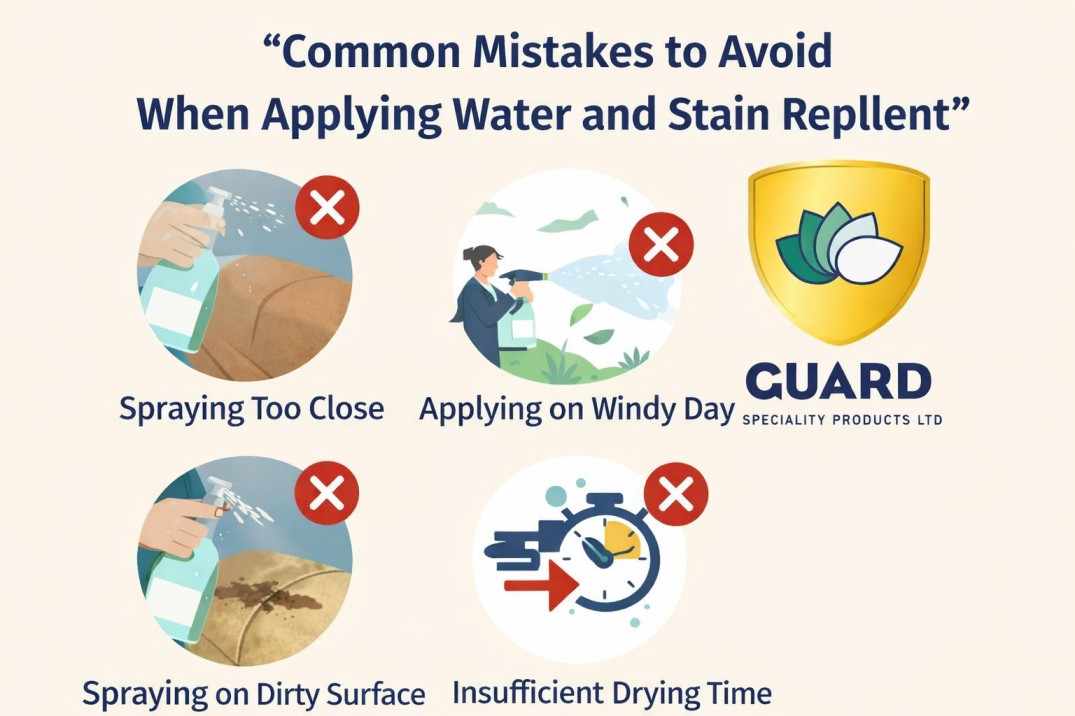
Surfaces must be cleaned, repaired, and completely dry before treatment. Applying coating over damp or damaged surfaces reduces bonding strength.
Weather conditions during application also matter, especially for exterior walls. Adequate curing time ensures durability.
Professional evaluation ensures the correct approach based on wall type and environmental exposure.
Long-Term Benefits for Residential and Commercial Spaces
Whether for homes or commercial buildings, water resistant coatings offer several long-term advantages.
They reduce maintenance costs by preventing recurring damp repairs. They extend the lifespan of paint and plaster. They enhance indoor air quality by limiting mold growth. They also protect structural integrity from gradual water damage.
In both interior and exterior environments, preventive protection is always more cost-effective than corrective repair.
Protecting Walls Inside and Out
So, is water resistant coating suitable for interior and exterior walls? Absolutely — when the right product is chosen and applied properly.
Exterior walls benefit from protection against rain and weather exposure. Interior walls gain resistance against humidity and dampness. Together, they create a comprehensive moisture defense system.
At Guard Industry, we provide advanced water resistant coating solutions tailored for both indoor and outdoor surfaces. Our expertise ensures proper surface preparation, product selection, and application to deliver long-lasting protection.
If you are planning to safeguard your property from moisture damage, choosing the right protective system is the first step toward durable and reliable wall protection.

Write a comment ...